Why Your Dentist Screens for Sleep Apnea (And Why It Matters)
You sit down in the dental chair, and your dentist starts asking about your sleep. How rested do you feel? Do you snore? Do you wake up with headaches? You’re thinking, “This is a dental office. Why are you asking me this?”
There’s a very good reason. Your dentist may be in a better position to catch sleep apnea than almost any other healthcare provider, and catching it early can genuinely save your life.
What Is Sleep Apnea?
Obstructive sleep apnea (OSA) is a condition where the airway partially or completely collapses during sleep, interrupting breathing repeatedly throughout the night. Each time this happens, oxygen levels drop, the brain triggers a brief arousal to reopen the airway, and the cycle repeats, sometimes hundreds of times per night.
Most people with sleep apnea don’t realize it’s happening. They may feel exhausted during the day, struggle with concentration, or wake up with headaches, but never connect those symptoms to their sleep.
Why Your Dentist Is Uniquely Positioned to Screen for Sleep Apnea
The American Dental Association (ADA) is now encouraging dental offices to screen patients for sleep apnea, and for good reason. Most adults see their dentist more regularly than their primary care physician, often twice a year for routine cleanings. That regular contact creates an opportunity to notice warning signs that might otherwise go undetected.
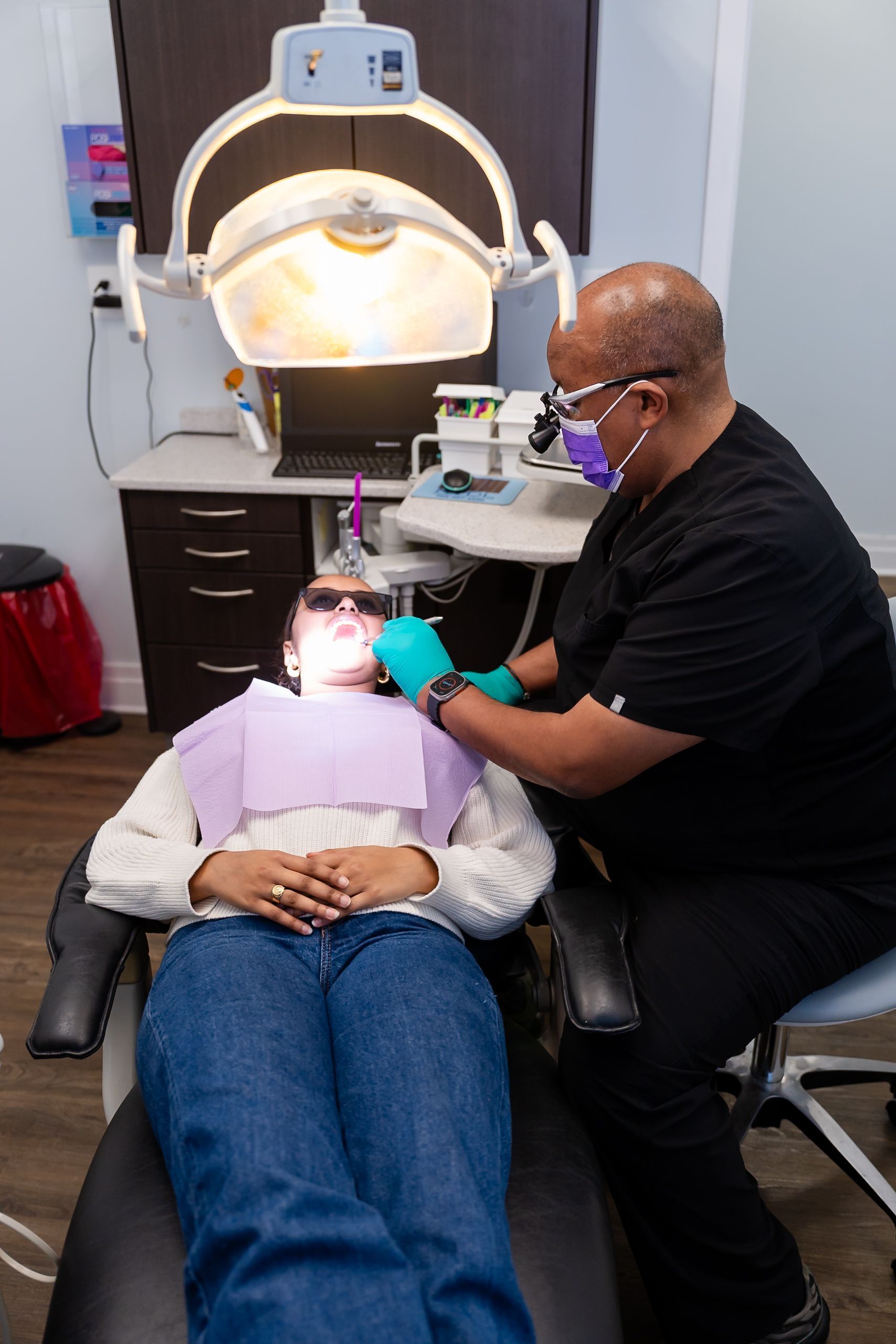
Dentists are trained to recognize oral and facial indicators that are associated with sleep apnea, including worn tooth surfaces from nighttime grinding (bruxism), a scalloped tongue, a narrow airway, a large tongue relative to the mouth, and a recessed lower jaw. These are things your dentist can observe during a routine examination that your doctor may never see.
The Health Risks of Untreated Sleep Apnea
Sleep apnea is not just about snoring or feeling tired. It is a serious medical condition linked to life-threatening health consequences:
Cardiovascular disease: Repeated drops in oxygen levels strain the heart and blood vessels, significantly increasing the risk of high blood pressure, heart attack, and stroke.
Metabolic effects: Sleep apnea is closely associated with insulin resistance and type 2 diabetes. Poor sleep disrupts hormone regulation, making weight management more difficult.
Cognitive and mental health: Chronic sleep deprivation from untreated apnea impairs memory, concentration, and decision-making. It is also linked to higher rates of depression and anxiety.
Daytime safety: Excessive daytime sleepiness from untreated sleep apnea increases the risk of motor vehicle accidents and workplace injuries.
What Screening Looks Like at a Dental Office
It’s important to understand that dentists do not diagnose sleep apnea. Diagnosis requires a formal sleep study conducted by a sleep medicine specialist. What dentists can do is screen for risk factors and connect patients with the right resources.
At Namu Dental Care, screening begins with a brief questionnaire about sleep quality, daytime fatigue, snoring, and related symptoms. Combined with a clinical examination of the mouth, airway, and jaw, this gives us a clear picture of whether further evaluation is warranted.
For patients who show signs of risk, we can provide an FDA-approved at-home sleep study device. This allows you to complete the study in the comfort of your own bed, without the inconvenience and expense of an overnight sleep lab. The results are interpreted by a sleep specialist who provides a formal diagnosis and treatment recommendations.
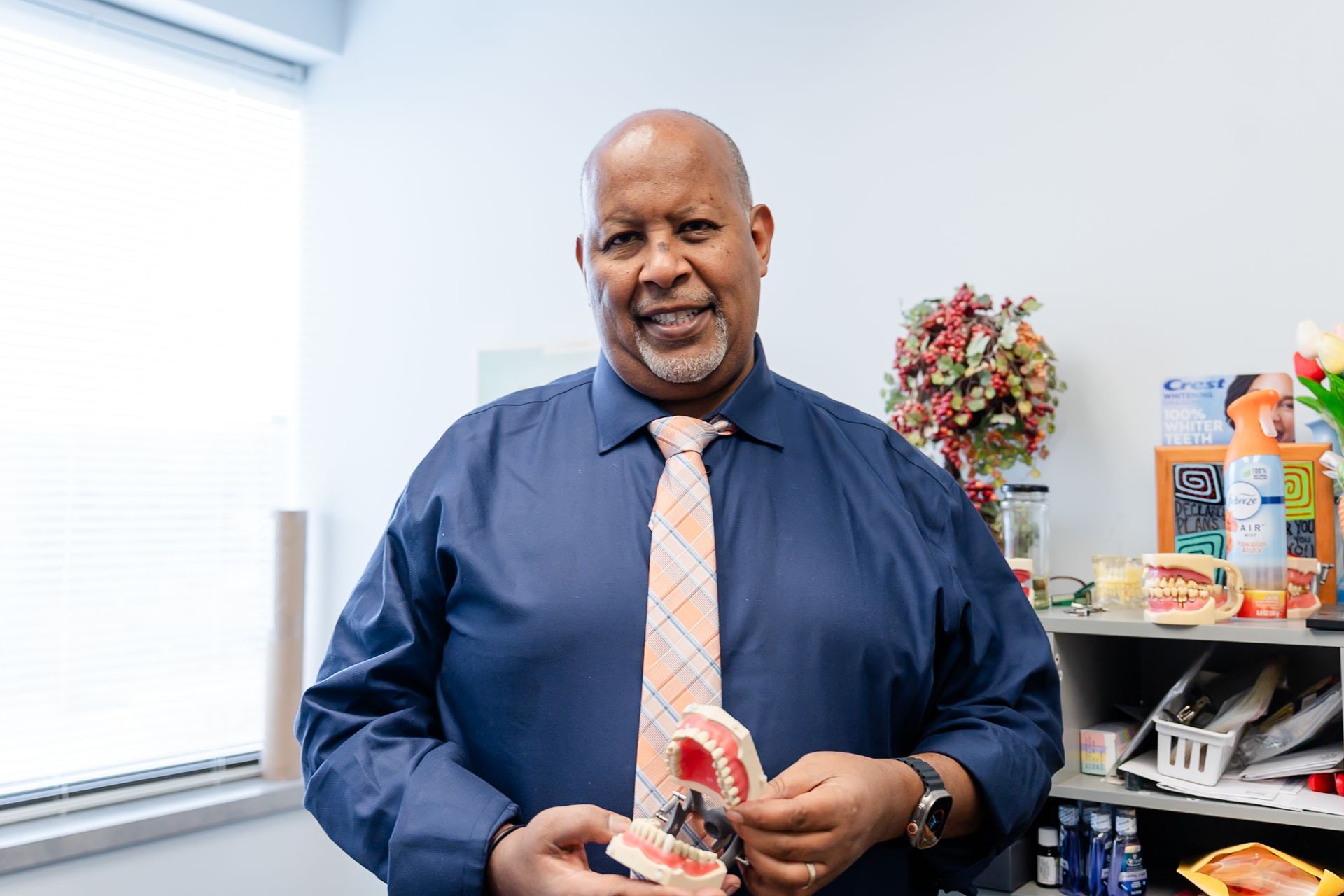
Why Dr. Dafo Is Passionate About Sleep Apnea Screening
Dr. Dafo’s commitment to sleep apnea screening comes from personal experience. After being diagnosed with sleep apnea himself, he gained a deeper understanding of the condition, its warning signs, and what’s at stake when it goes undetected.
That personal experience, combined with specialized training in dental sleep medicine protocols, drives his dedication to screening every patient. When you’ve lived through it yourself, you know exactly what to look for and why it matters.
What Happens After Screening
If screening suggests a risk for sleep apnea, you’ll be connected with a sleep specialist for a definitive diagnosis. Depending on the severity, treatment options may include a CPAP machine, an oral appliance designed to keep the airway open during sleep, or lifestyle modifications.
For patients who struggle with CPAP compliance, a custom oral appliance made by your dentist can be an effective alternative for mild to moderate cases. These devices gently reposition the lower jaw to maintain an open airway throughout the night.
Signs You Should Ask Your Dentist About Sleep Apnea
Consider requesting a screening if you experience any combination of these symptoms: loud or chronic snoring, waking up gasping or choking, excessive daytime sleepiness despite getting enough hours of sleep, morning headaches, difficulty concentrating, irritability, or if your partner has noticed that you stop breathing during sleep.
Even if you’re not sure, bringing it up at your next dental visit is a simple step that could have a profound impact on your health.
Frequently Asked Questions
Can a dentist diagnose sleep apnea?
No. Dentists cannot diagnose sleep apnea. However, they are uniquely positioned to screen for risk factors during routine examinations by observing oral and facial indicators. If screening suggests risk, the dentist will refer you to a sleep specialist for a formal diagnosis through a sleep study.
What does a sleep apnea screening at the dentist involve?
Screening typically includes a brief questionnaire about sleep quality, snoring, and daytime fatigue, combined with a clinical examination of the mouth, airway, and jaw structure. The process is quick and non-invasive, and it can be done during a routine dental visit.
Does Namu Dental Care offer at-home sleep studies?
Yes. For patients who show signs of sleep apnea risk, Namu Dental Care can provide an FDA-approved at-home sleep study device. This allows patients to complete the study comfortably at home, and the results are interpreted by a qualified sleep specialist.
Why is the ADA encouraging dentists to screen for sleep apnea?
Because most adults visit their dentist more frequently than their primary care physician, dentists have a unique opportunity to identify early warning signs. Dental professionals can observe indicators like tooth grinding, airway shape, and jaw position that other providers may not evaluate during routine visits.
Is sleep apnea really that serious?
Yes. Untreated obstructive sleep apnea is linked to significantly increased risk of stroke, heart attack, high blood pressure, type 2 diabetes, depression, and motor vehicle accidents. Early detection through screening can be life-changing and potentially life-saving.
Recent Posts